Home
Weather New York
WeatherRadar
RainRadar
TemperatureRadar
WindRadar
LightningRadar
Weather News
Editor's Pick
Discover the app
Weather widget
Contact us
Apps
Career
Home / Editor's Pick /

Hurricane season: potential risks

07:00 PM
June 1, 2022

It's not just the wind
Hurricane season: potential risks

Hurricane

It's officially the start of Atlantic Hurricane Season and hurricanes pose more risks than just damaging winds. Residents and visitors of the coasts should be prepared for the many other hazards hurricanes bring.

Tornadoes

Hurricanes and tropical storms produce rain bands that spiral outward from the center of the storm. Sometimes, turbulence and rotating air in the rain bands can favor tornado-producing storms. While tornadoes embedded within hurricanes are usually weak and short-lived, they are challenging to predict and cause extensive damage.

Tornadoes are most frequent in the leading right quadrant of the storm, where conditions are often most favorable for rotating air.

Erosion

When dealing with a landfalling hurricane (or one coming close to the shore), beaches are a natural buffer between the ocean and inland communities, ecosystems, and natural resources.

Seawater will inevitably begin to eat away at loose sand, soils, or rocks, putting at-risk infrastructure adjacent to the coast. As a result, beaches are stripped of their sand, asphalt along roads crack, and homes could lose their foundations.

A paper published in the journal of Geophysical Research Letters studied the erosion impact Hurricane Maria had on 75 beaches across Puerto Rico in 2017. The results found at Maria caused erosion of 9 to 15 meters along its path, up to 120 feet at beaches. That's roughly the length of an Olympic-sized swimming pool!

Storm surge

When a cyclone makes landfall, seawater can push several miles inland, worsening erosion and flooding communities adjacent to the coast, sometimes several dozen feet deep. Storm surge is the abnormal rise in water generated by a storm above the forecast astronomical tide.

If the cyclone is exceptionally expansive or powerful, storm surge can often go far beyond the coast. For example, Hurricane Ike carried a storm surge more than 28 miles inland from the coast of Texas and Louisiana. As mentioned before, no storm can be treated alike—how far or high storm surge can get will depend on the terrain, coastline, and storm trajectory.

Flooding

Excessive rain can affect cities well away from the coast. There are times when a storm can slow down and its rains fall over a region intensively, causing flooding and catastrophic impacts. A hurricane’s remnants also cause big flooding risks, even far inland.

Weather & Radar USA editorial team
Irene Sans
Becca Parker
More on the topic
Saturday, February 21, 2026

Find the lotion!

Dry skin season is back
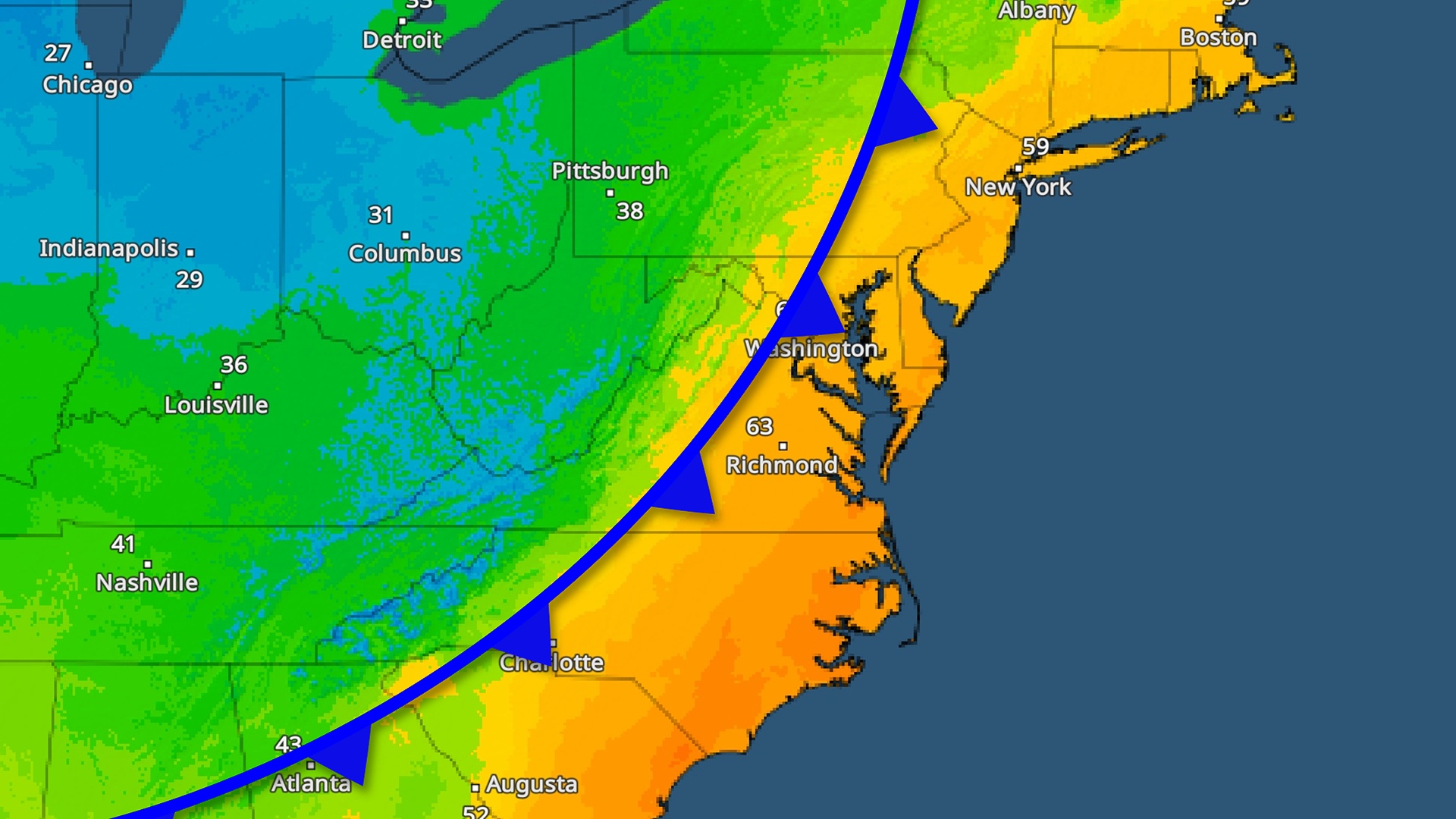
Image of a temperature radar showing a clear distinction between a warm and cold air mass separated by a cold front.
Saturday, February 28, 2026

Weather explained

What are weather fronts?
Sunday, March 1, 2026

Many events!

March astronomy calendar
All weather news
This might also interest you
Thursday, March 5, 2026

Tornado threat increases

Severe threat continues for Plains
Tuesday, March 10, 2026

You can be ready

When severe storms strike...
Wednesday, March 4, 2026

Hail, wind and tornadoes

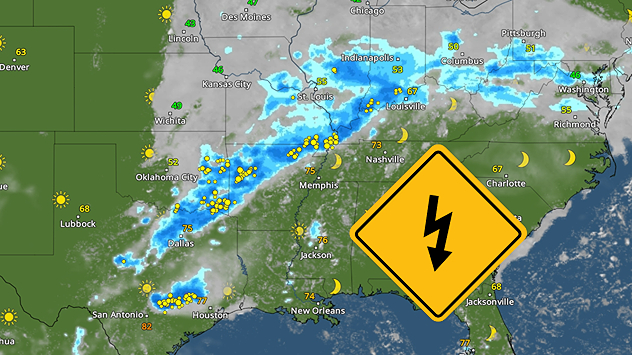
Severe storms from Texas to the Ohio Valley
All articles
Weather & Radar

Weather & Radar is also available on

Google Play StoreApp Store

Company

Contact us Privacy policy Legal info Accessibility statement

Services

Uploader

Socials

instagramfacebookthreadslinkList