Home
Weather New York
WeatherRadar
RainRadar
TemperatureRadar
WindRadar
LightningRadar
Weather News
Editor's Pick
Discover the app
Weather widget
Contact us
Apps
Career
Home / Editor's Pick /

Important information you will need this hurricane season

04:00 PM
May 28, 2022

Hurricane formation
Essential information for this season

satellite-image-irma-jose© NOAA/NASA

As we approach the start of the Atlantic hurricane season on June 1, the team at Weather & Radar is kicking hurricane operations into full gear.

To help you prepare for the season and get the most out of each forecast update, it's important to understand how hurricanes form, the naming convention of tropical cyclones and the icons we are using to describe them.

Hurricanes usually have their origins over the warm waters of the tropical oceans. They typically start as a disorganized cluster of thunderstorms along a tropical wave or a front. If conditions are favorable, the storms will continue to tap into the moisture-providing warm water and intensify.

As the storms get stronger, they will increase instability around them which leads to even more thunderstorms and a feedback loop develops. You can see this currently happening on the Weather&Radar just south of the Gulf of Tehuantepec.

As the feedback process continues, the thunderstorm cluster becomes more organized and is eventually labeled a “tropical disturbance.” When identifying tropical disturbances, meteorologists look for organized storm activity that maintains its structure for at least 24 hours.

If atmospheric conditions remain favorable, the tropical disturbance will continue to strengthen. Once wind speeds reach 30 mph, the system is labeled a tropical depression. At this point, the infamous spin in the lower levels is usually observed at the surface.

If its maximum sustained winds reach at least 39 mph and up to 73 mph, it is labeled a tropical storm. Usually, tropical storms have a much better defined cyclonic pattern, with the winds and storms closer to their center. Storms are also named by the National Hurricane Center when they acquire tropical storm status.

Once the maximum sustained winds reach 74 mph, the system is now a hurricane. Categories are given based on the maximum sustained wind speed of the storm using the Saffir-Simpson scale. A category five hurricane has wind speeds that exceed 155 mph or more and can cause catastrophic damage and storm surge.

Weather & Radar USA editorial team
Federico Di Catarina
More on the topic
fog
Sunday, February 22, 2026

Safety tips: fog

Driving during foggy conditions
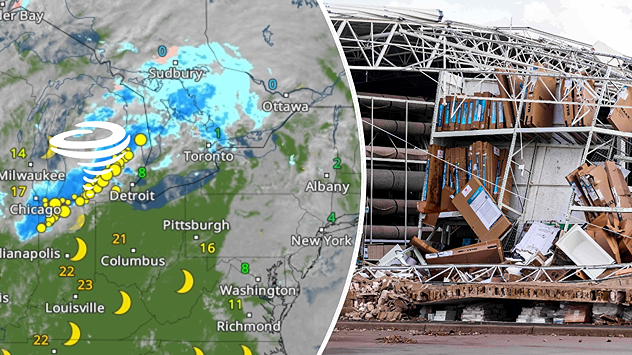
Weather radar with tornado symbol over Michigan next to photo of a destroyed building with collapsed roof and scattered debris.
Extreme WeatherSaturday, March 7, 2026

Deaths, extensive damage

Tornado in Michigan, severe outbreak continues
Saturday, February 21, 2026

Find the lotion!

Dry skin season is back
All weather news
This might also interest you
Thursday, March 5, 2026

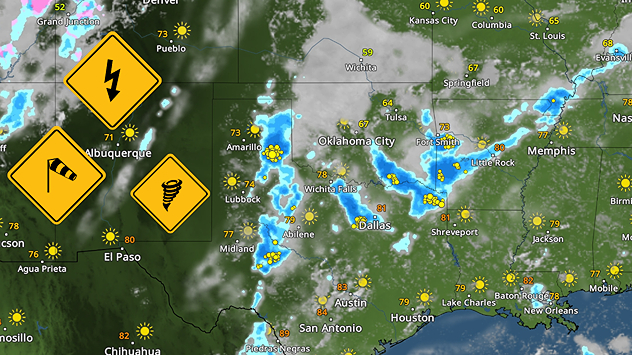
Tornado threat increases

Severe threat continues for Plains
Sunday, March 8, 2026

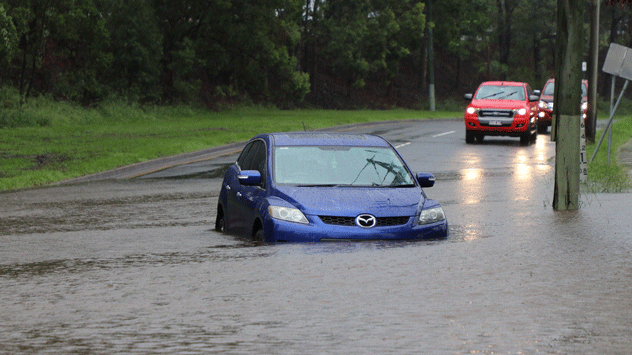
Flood safety

Useful tips when driving in the rain
Saturday, March 7, 2026

What to know

The dangers of hail
All articles
Weather & Radar

Weather & Radar is also available on

Google Play StoreApp Store

Company

Contact us Privacy policy Legal info Accessibility statement

Services

Uploader

Socials

instagramfacebookthreadslinkList