Home
Weather New York
WeatherRadar
RainRadar
TemperatureRadar
WindRadar
LightningRadar
Weather News
Editor's Pick
Discover the app
Weather widget
Contact us
Apps
Career
Home / Editor's Pick /

Next Icelandic eruption? Earthquake shakes glacier volcano

10:00 PM
January 14, 2024

Next Icelandic eruption?
Earthquake shakes glacier volcano

volcanoDuring its last eruption in May 2011, Grimsvötn hurled a kilometre-high column of ash into the sky. - © picture alliance

Only weeks after the latest volcanic eruption in Iceland, the glacier volcano Grimsvötn is now threatening to erupt after being shaken by a strong earthquake.

On Thursday morning, 11th January, there was a strong earthquake under the Icelandic glacier volcano Grimsvötn, approximately 200 km east of Reykjavik.

The 4.3 magnitude earthquake occurred at a depth of just 328 feet and was the strongest since monitoring of the volcano began, which is classified as highly active. It erupts on average every 10 years.

Experts interpret the force and shallow depth of the earthquake as a precursor to an imminent, larger eruption. According to this, a glacial cavern filled with meltwater has likely burst and triggered what is known as a glacier run.

Did you know?

During a glacier run, large masses of meltwater suddenly rush down into the valley. They can trigger devastating tidal waves that sweep away everything in their path on their way to the sea

The release of pressure on the subsurface could encourage magma to rise from the depths, making a volcanic eruption more likely.

If large quantities of meltwater are also released, the eruption could be very explosive and hurl clouds of ash miles into the sky.

With a glacial volcano like Grimsvötn, a massive ice cap weighs down on the volcano. When the ice melts, highly explosive eruptions occur when magma comes into contact with water.

Even if they cannot say for sure that the mountain will erupt, volcanologists see the recent quake as an indication of an imminent eruption. This fear is supported by small swarm quakes that occurred shortly after the main one.

It was only in December that the spectacular volcanic eruption occurred along a kilometre-long fissure on the Reykjanes peninsula in the southwest of the island. Here, the problem was not meltwater floods and volcanic ash, but large quantities of lava.

Weather & Radar USA editorial team
More on the topic
EF-2 tornado pictured in Colorado
Sunday, March 8, 2026

World of Twisters

Tornado myths answered
A graphic for World Meteorological Day featuring weather symbols.
Monday, March 23, 2026

World Meteorological Day

Monitor today, protect tomorrow
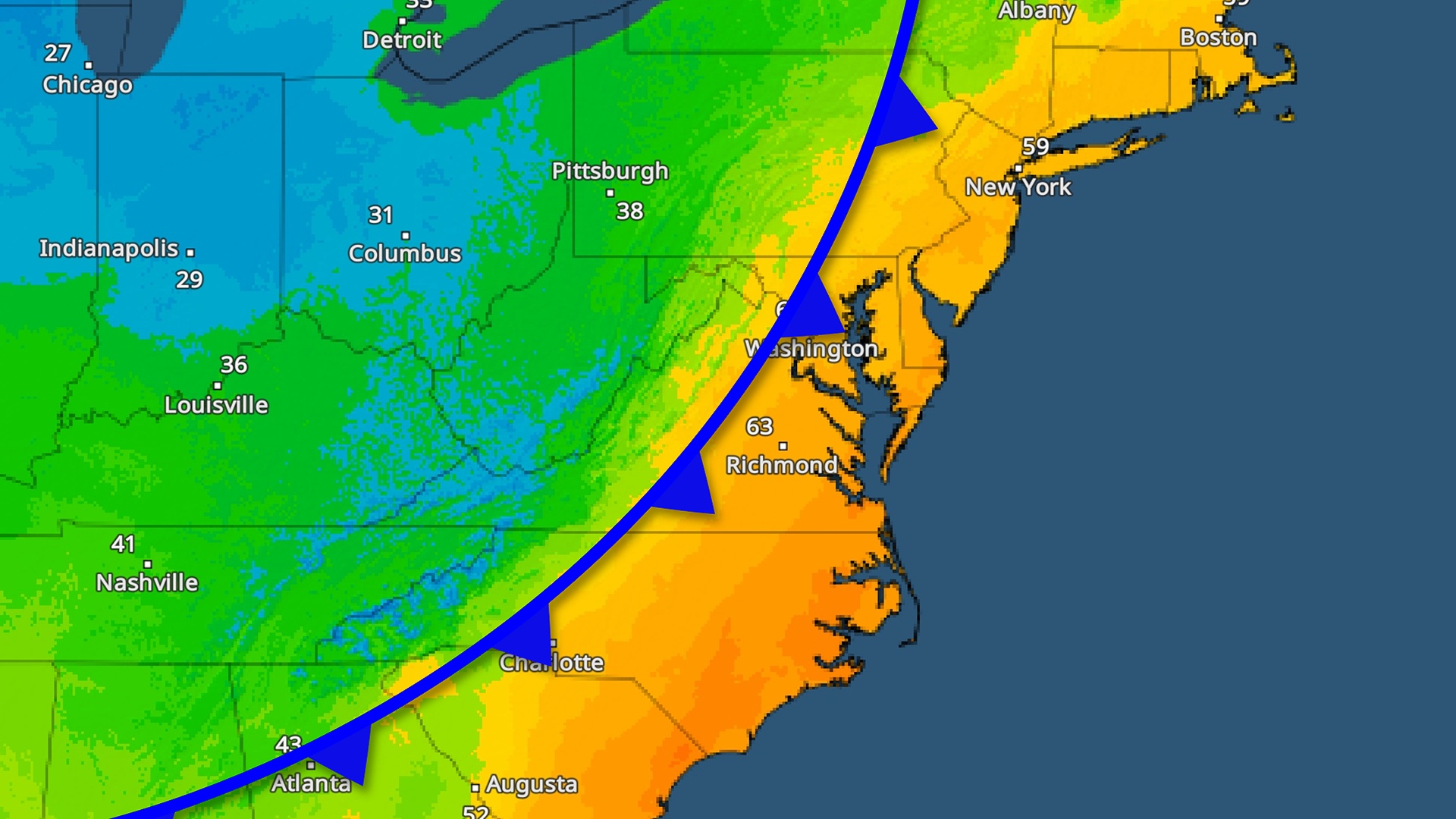
Image of a temperature radar showing a clear distinction between a warm and cold air mass separated by a cold front.
Saturday, February 28, 2026

Weather explained

What are weather fronts?
All weather news
This might also interest you
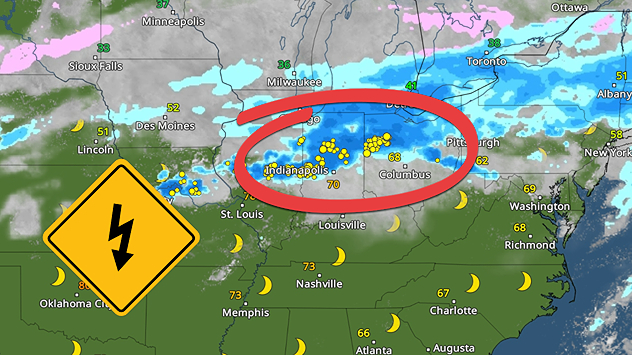
Wednesday, March 25, 2026

South of the Great Lakes

Severe storm risk increases Thursday
Saturday, March 28, 2026

Winter to spring

Transition season: What it means for you
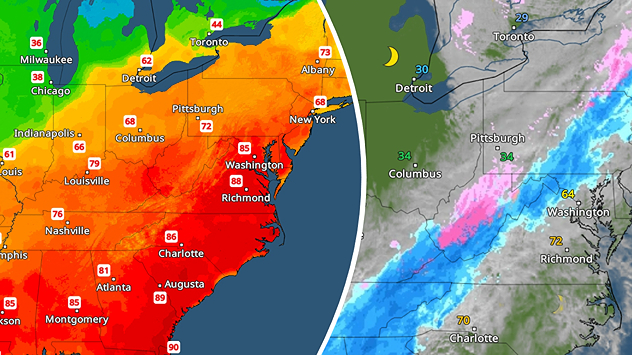
Wednesday, April 1, 2026

Who's at risk?

Multi-day severe threat underway
All articles
Weather & Radar

Weather & Radar is also available on

Google Play StoreApp Store

Company

Contact us Privacy policy Legal info Accessibility statement

Services

Uploader

Socials

instagramfacebookthreadslinkList