Home
Weather New York
WeatherRadar
RainRadar
TemperatureRadar
WindRadar
LightningRadar
Weather News
Editor's Pick
Discover the app
Weather widget
Contact us
Apps
Career
    Home / Weather News /

    The perfect fire recipe - Dry vegetation, low humidity and winds

11:00 AM
May 9, 2026

The perfect fire recipe
Dry vegetation, low humidity and winds

Privacy policy

A region’s peak wildfire season varies throughout the year. In some places, fire season is year-round, with peaks a few times a year.

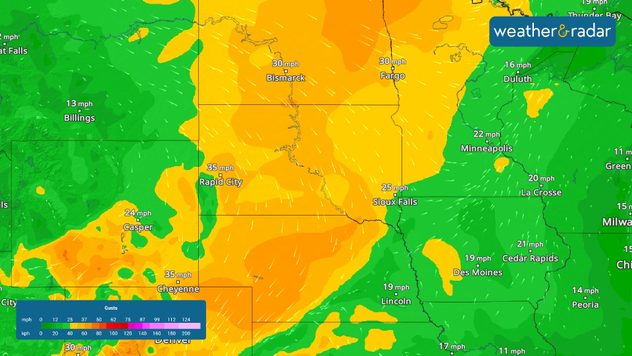
Regardless of the season, three main ingredients get a fire going and, at times, spreading fast: drought or dry vegetation, low relative humidity, and winds.

Before these ingredients come into play, there first needs to be a spark. Fire ignition can be caused by cigarette butts, a still-burning match, smoldering, a small (controlled) fire pit, a hot tailpipe, or even lightning. Knowing the causes of ignition can help us easily understand that humans cause 9 out of 10 wildfires in the United States.

Once a fire is ignited, dry vegetation helps fuel the fire. Low humidity brings dry air, which helps fires spread easily. The wind provides all the oxygen needed to spread the fires. The more wind, the more the fires spread, often making these fires behave erratically.

1/3

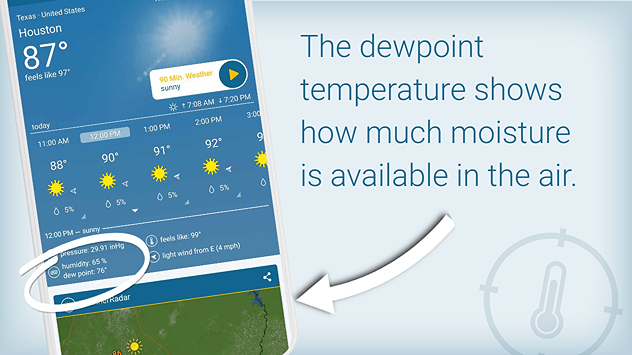
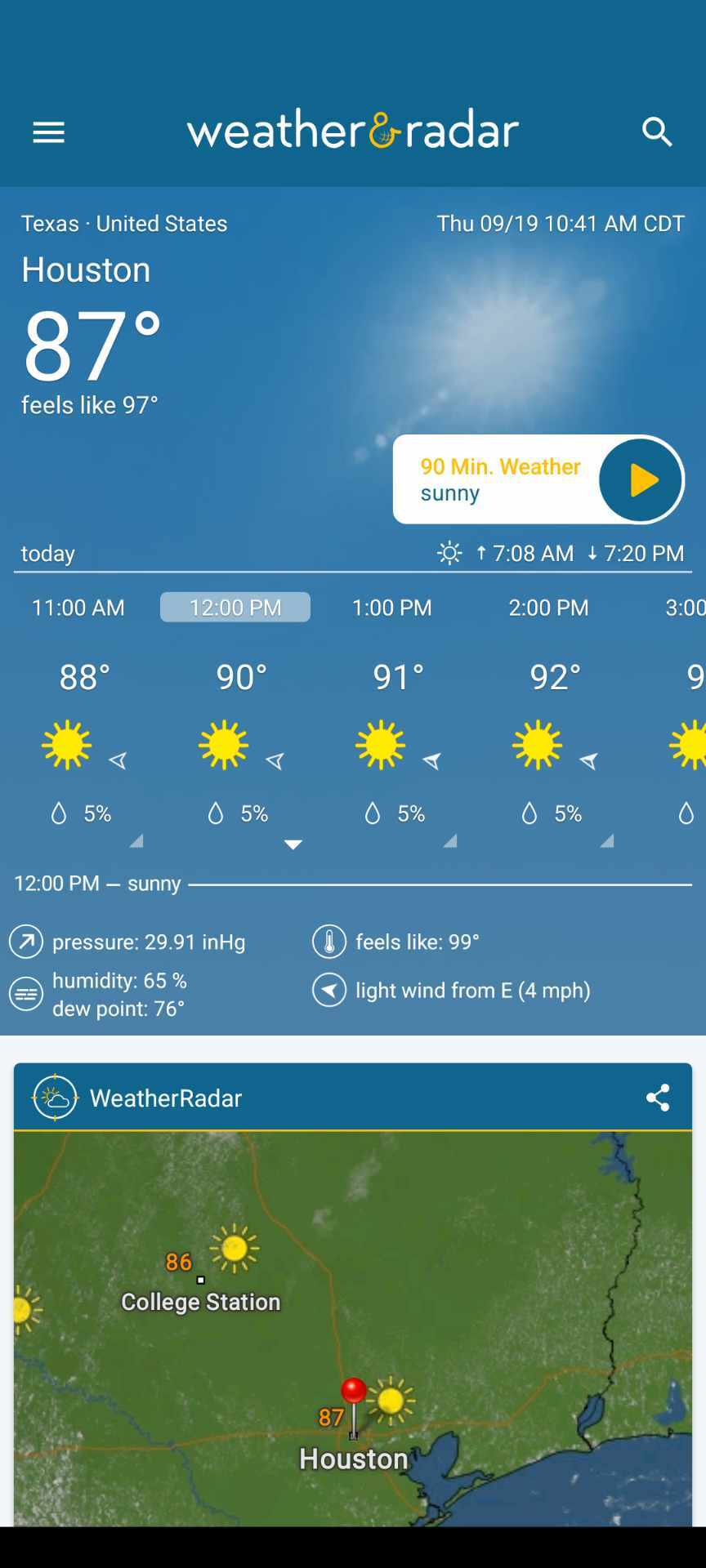
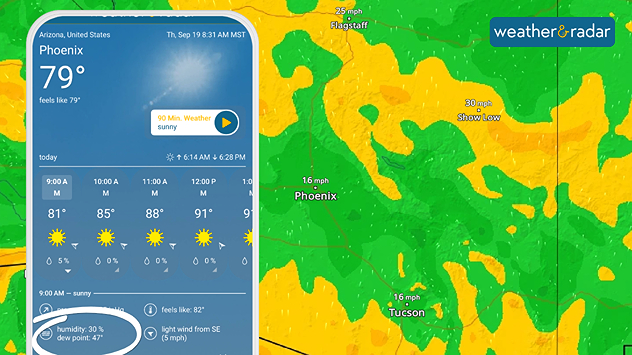
Depending on the region, the fall and spring bring drastic changes in temperatures and large swings in the amount of moisture available in the air, or what we call “the dew point temperature.” You can see the current dew point at your location in our app. Remember, the lower the dew point, the less moisture available in the air. The higher it is, the muggier it will feel, especially if that number is close to the actual air temperature.

Make sure to check out the WindRadar for the latest wind speeds and their forecast. In our app, you can see the dewpoint temperature for your location, too. Remember, relative humidity doesn't always tell you exactly if fires are more prone to be spread.

Irene Sans
More on the topic
Rip currents & safety tips. As more head to the coast. . . Saturday, July 25, 2026
rip current
Saturday, July 25, 2026

As more head to the coast

Rip currents & safety tips
Waterspouts possible, what are they?. They can be dangerous. . . Sunday, August 9, 2026
Waterspouts weatherradar.
Sunday, August 9, 2026

They can be dangerous

Waterspouts possible, what are they?
Europe: Warmest June on record. Warm waters too. . . Friday, July 10, 2026
The record-breaking heatwave in June has made climate history in Western Europe.
Friday, July 10, 2026

Warm waters too

Europe: Warmest June on record
All weather news
This might also interest you
Big 50-degree jump. Northwest heat extremes. . . Thursday, August 6, 2026
Big temperature jumps
Thursday, August 6, 2026

Northwest heat extremes

Big 50-degree jump
Heat not felt in 80+ years. Pacific Northwest. . . Tuesday, August 4, 2026
Records as old as 81 and even 124 years could fall this first week of August in the Pacific Northwest as temperatures rise to the 90s & triple digits due to a new heatwave.
Tuesday, August 4, 2026

Pacific Northwest

Heat not felt in 80+ years
Watch storm clusters interact. A busy WeatherRadar. . . Tuesday, August 11, 2026
Tuesday, August 11, 2026

A busy WeatherRadar

Watch storm clusters interact
All articles
Weather & Radar

Weather & Radar is also available on

Google Play StoreApp Store

Company

Contact us Privacy policy Legal info Accessibility statement

Services

Uploader

Socials

instagramfacebookthreadslinkList