Home
Weather New York
WeatherRadar
RainRadar
TemperatureRadar
WindRadar
LightningRadar
Weather News
Editor's Pick
Discover the app
Weather widget
Contact us
Apps
Career
Home / Weather News /

The perfect fire recipe - Dry vegetation, low humidity and winds

11:00 AM
May 9, 2026

The perfect fire recipe
Dry vegetation, low humidity and winds

Settings for external content

Privacy policy

A region’s peak wildfire season varies throughout the year. In some places, fire season is year-round, with peaks a few times a year.

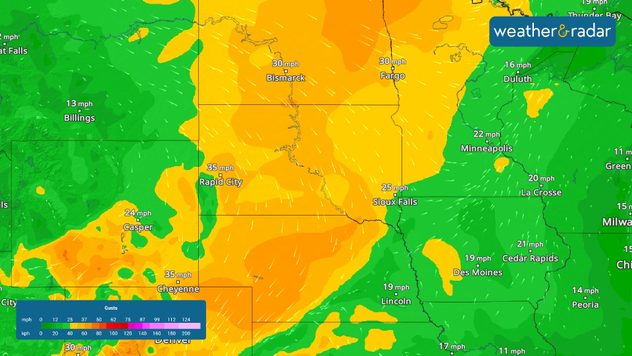
Regardless of the season, three main ingredients get a fire going and, at times, spreading fast: drought or dry vegetation, low relative humidity, and winds.

Before these ingredients come into play, there first needs to be a spark. Fire ignition can be caused by cigarette butts, a still-burning match, smoldering, a small (controlled) fire pit, a hot tailpipe, or even lightning. Knowing the causes of ignition can help us easily understand that humans cause 9 out of 10 wildfires in the United States.

Once a fire is ignited, dry vegetation helps fuel the fire. Low humidity brings dry air, which helps fires spread easily. The wind provides all the oxygen needed to spread the fires. The more wind, the more the fires spread, often making these fires behave erratically.

1/3

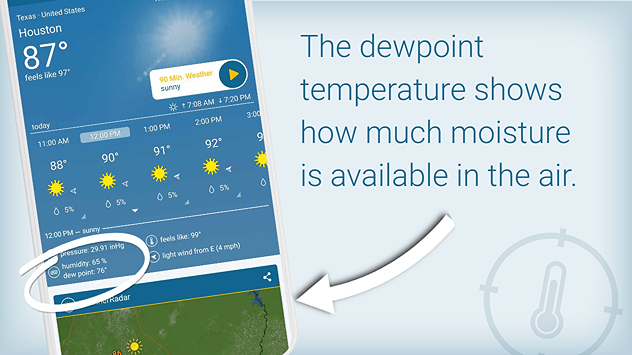
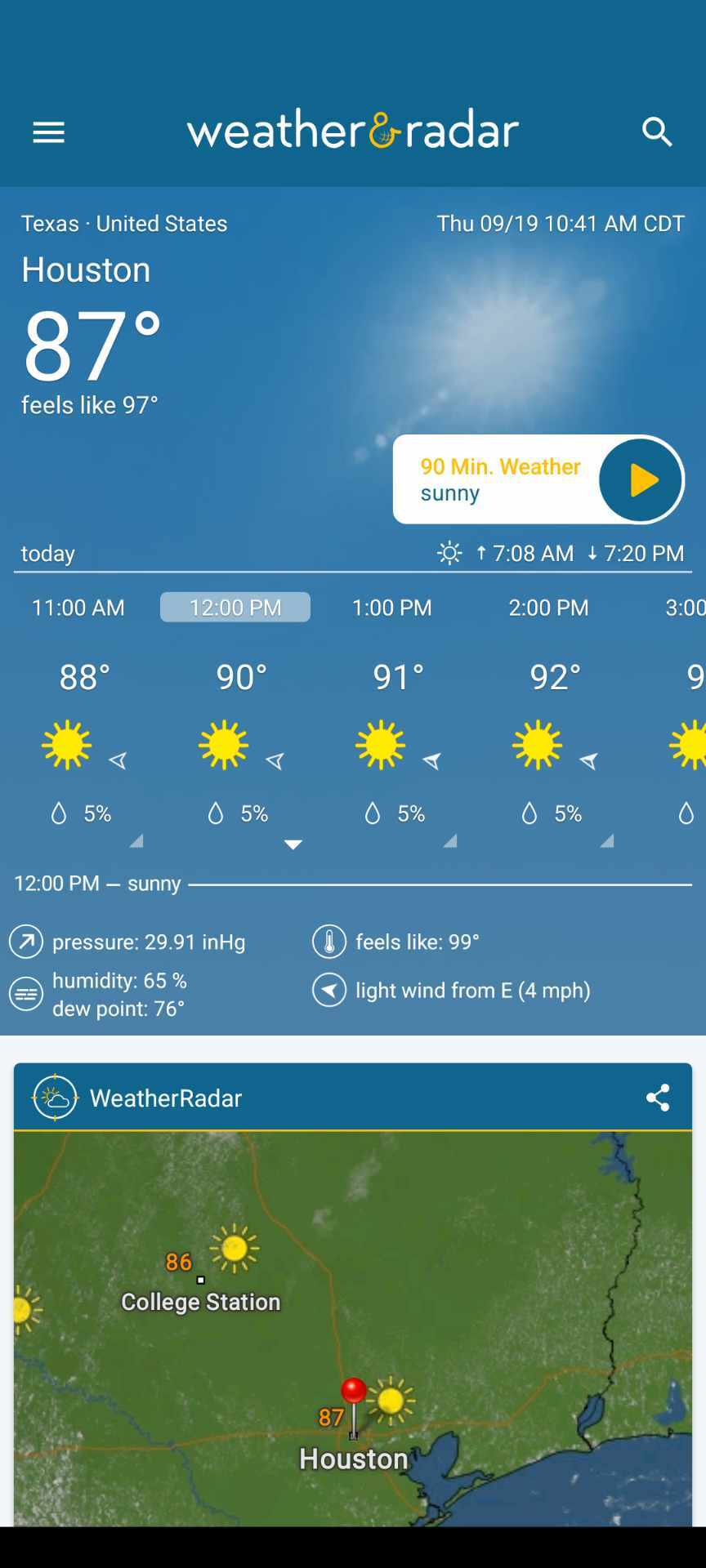
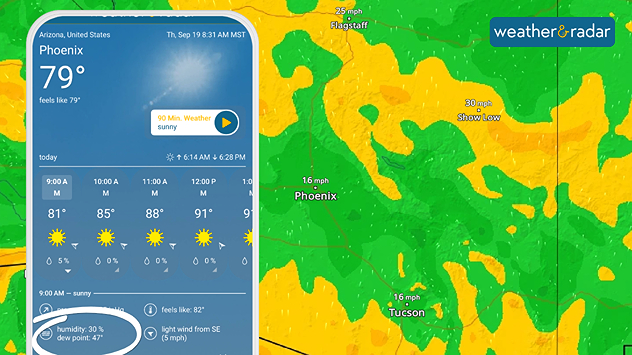
Depending on the region, the fall and spring bring drastic changes in temperatures and large swings in the amount of moisture available in the air, or what we call “the dew point temperature.” You can see the current dew point at your location in our app. Remember, the lower the dew point, the less moisture available in the air. The higher it is, the muggier it will feel, especially if that number is close to the actual air temperature.

Make sure to check out the WindRadar for the latest wind speeds and their forecast. In our app, you can see the dewpoint temperature for your location, too. Remember, relative humidity doesn't always tell you exactly if fires are more prone to be spread.

Irene Sans
More on the topic
The image shows the central Pacific in a computer model. A striking feature is the ocean coloured red, which indicates very warm seawater.
Thursday, May 7, 2026

Temperature records?

El Niño is gaining momentum
EF-2 tornado pictured in Colorado
Saturday, April 18, 2026

World of Twisters

Tornado myths answered
A harbour in Crete with a reddish-brown, overcast sky
Saturday, April 4, 2026

Blood red skies

Dust storm in Crete
All weather news
This might also interest you
The heatwave impacting the western half of the U.S. peaks today, with more than a dozen record highs possible.
Tuesday, May 12, 2026

Peaks today

Record-breaking heat for the West
Dangerous southern storms.
Wednesday, May 6, 2026

Damaging wind dangers

Southern storm threat
Heat wave
Sunday, May 10, 2026

Western records possible

Heat wave starts
All articles
Weather & Radar

Weather & Radar is also available on

Google Play StoreApp Store

Company

Contact us Privacy policy Legal info Accessibility statement

Services

Uploader

Socials

instagramfacebookthreadslinkList