Home
Weather New York
WeatherRadar
RainRadar
TemperatureRadar
WindRadar
LightningRadar
Weather News
Editor's Pick
Discover the app
Weather widget
Contact us
Apps
Career
Home / Editor's Pick /

Tire pressure down? It may be the cold weather!

08:00 PM
November 15, 2025

It may be the cold!
Tire pressure down?

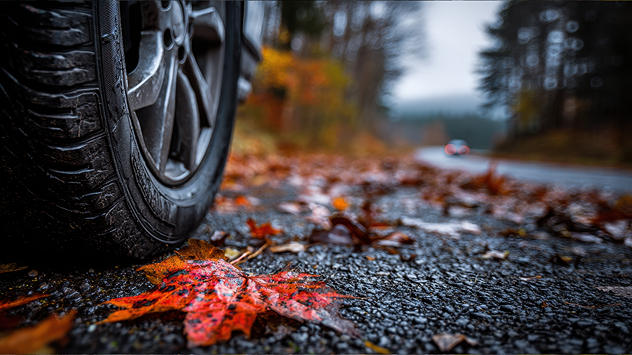
Always check air pressure before you head out. - © Adobe Stock

It’s a chilly morning. You’ve bundled up for your drive and your thermos of coffee or tea is piping hot next to you in the cupholder. You place the key in the ignition and start your car, ready to go. But all of the sudden, your “low tire pressure” light comes on in your vehicle.

You may feel a quick jolt of annoyance but if it’s the first time that temperatures have dropped 10 to 20 degrees overnight— check the forecast for latest temperature — everything is likely fine with your tires. It’s just chemistry! Why does this happen when it gets cold?

Depending on the amount of heat in the air, the molecules are either very spread out or crowded together. When the air is heated, the distance between the molecules expands. However, when heat is removed from the air, causing temperatures to drop, the distance between the molecules is less and the air contracts, thus bringing the pressure down.

The air in your vehicle’s tires reacts this same way. As temperatures drop, the air in the tire contracts. This means the air takes up less space inside the tire and leads to the tire becoming more flat than firm. According to Erie Insurance, tires can drop between 1 and 2 PSI, or pressure per square inch, for every 10-degree decrease in the outdoor temperature. You’ll find an even lower PSI reading if you are also parked in the shade on a cold morning.

The great news is that if your tires are in good shape and temperatures are forecast to increase throughout the day, simply driving will help! The air in the tires expands as friction from driving on the road helps to heat the air inside the tires. The molecules within the air inside the tire will spread out bringing your tire pressure back to a normal reading.

However, if temperatures are forecast to stay cold, the air inside the tires may not expand much even if driving on them. The best thing to do is to inflate them to the proper PSI to your vehicle’s standards.

The tire pressure standards can be found on the driver’s side door panel or in your vehicle’s user manual.

James West
More on the topic
Foggy conditions in the roads. Drive safely, use low beams, high beams reflect more light, obstructing visibility more.
Friday, March 6, 2026

Safety tips: Fog

Driving during foggy conditions
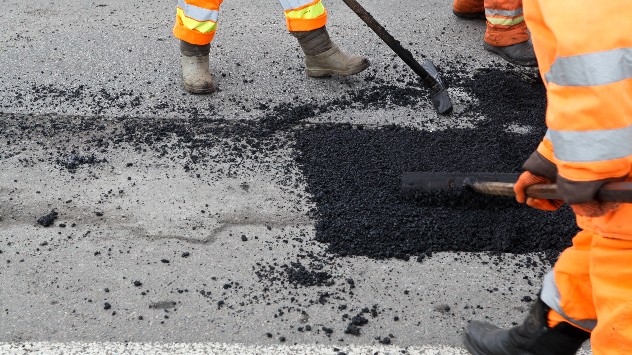
pothole repair
Sunday, February 15, 2026

Bumpy commute

Cold = spring potholes
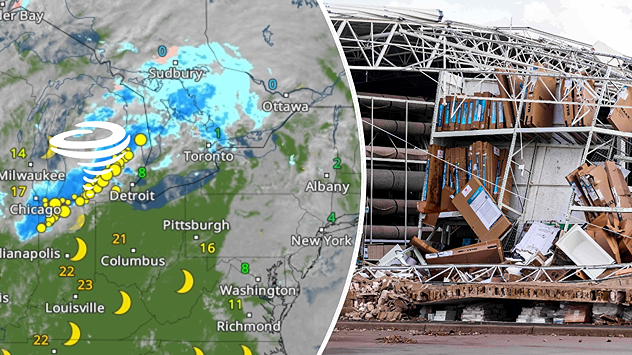
Weather radar with tornado symbol over Michigan next to photo of a destroyed building with collapsed roof and scattered debris.
Extreme WeatherSaturday, March 7, 2026

Deaths, extensive damage

Tornado in Michigan, severe outbreak continues
All weather news
This might also interest you
Sunday, March 8, 2026

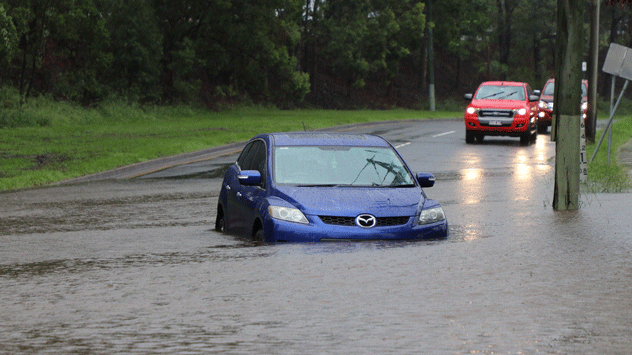
Flood safety

Useful tips when driving in the rain
Texas storm threat
Tuesday, March 3, 2026

Dangerous weather ahead

Stormy midweek for Plains
Friday, March 6, 2026

Large hail and tornadoes

Severe weather threat ramping up
All articles
Weather & Radar

Weather & Radar is also available on

Google Play StoreApp Store

Company

Contact us Privacy policy Legal info Accessibility statement

Services

Uploader

Socials

instagramfacebookthreadslinkList