Home
Weather New York
WeatherRadar
RainRadar
TemperatureRadar
WindRadar
LightningRadar
Weather News
Editor's Pick
Discover the app
Weather widget
Contact us
Apps
Career
Home / Editor's Pick /

Who’s thought about it? The Southern Hemisphere is stormier. Whattt?

11:00 PM
January 29, 2023

Who’s thought about it?
Southern Hemisphere is stormier. What?

Southern Hemisphere Antarctic

If you had to guess, which hemisphere would have more storms, which one would you choose? if you said the southern hemisphere, you’d win. Here’s why?

For many years scientists have not known why there seem to be more storms in the Southern Hemisphere than in the Northern Hemisphere. After all, there is more temperature contrast in the northern hemisphere due to a larger area with the land. Turns out that that doesn’t matter too much.

The Southern Hemisphere is about 24% stormier.

Scientists at the University of Chicago found the first explanation that could explain why the Southern Hemisphere is stormier... and it is not because there is more water.

To test out their theories, scientists used climate models. They ran experiments holding different situations still and flattening all mountain ranges across the world. This only reduced the stormy differences between both hemispheres by half. Tall ranges reduce storm formation as it disrupts airflow. So, what about the other half? There had to be something more.

Turns out it is the ocean’s circulation. Water moves all around the planet, sinking in the Arctic and it travels deep under the surface, rising at the South Pole in Antarctica. This is a powerful conveyor belt that carries lots of energy with it. All this energy translates into the other half of the storminess. Scientists tested out their hypothesis erasing this circulation and with it, the other half of the storminess vanished.

Scientists were even able to look at how much stormier it has gotten in the satellite era. Remember that most of the atmospheric data we have are over land. There are buoys that provide invaluable data, but there is so much ocean in the Southern Hemisphere it would take many more buoys to be installed, so we depend a lot on satellites. Satellite trends have shown an increase in storms since the 1980s in the Southern Hemisphere driven by the conveyor belt. Even though there were also more storms noted in the Northern Hemisphere, on average this difference is negligible due to the loss of sea ice and snow.

This is not to be confused with storms that produced heavier downpours. Due to the Earth’s warming, there is more water vapor available to produce heavier downpours.

Irene Sans
More on the topic
Sunday, March 1, 2026

Many events!

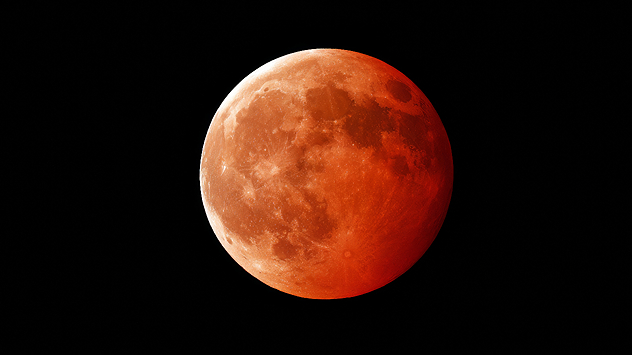
March astronomy calendar
Foggy conditions in the roads. Drive safely, use low beams, high beams reflect more light, obstructing visibility more.
Friday, March 6, 2026

Safety tips: Fog

Driving during foggy conditions
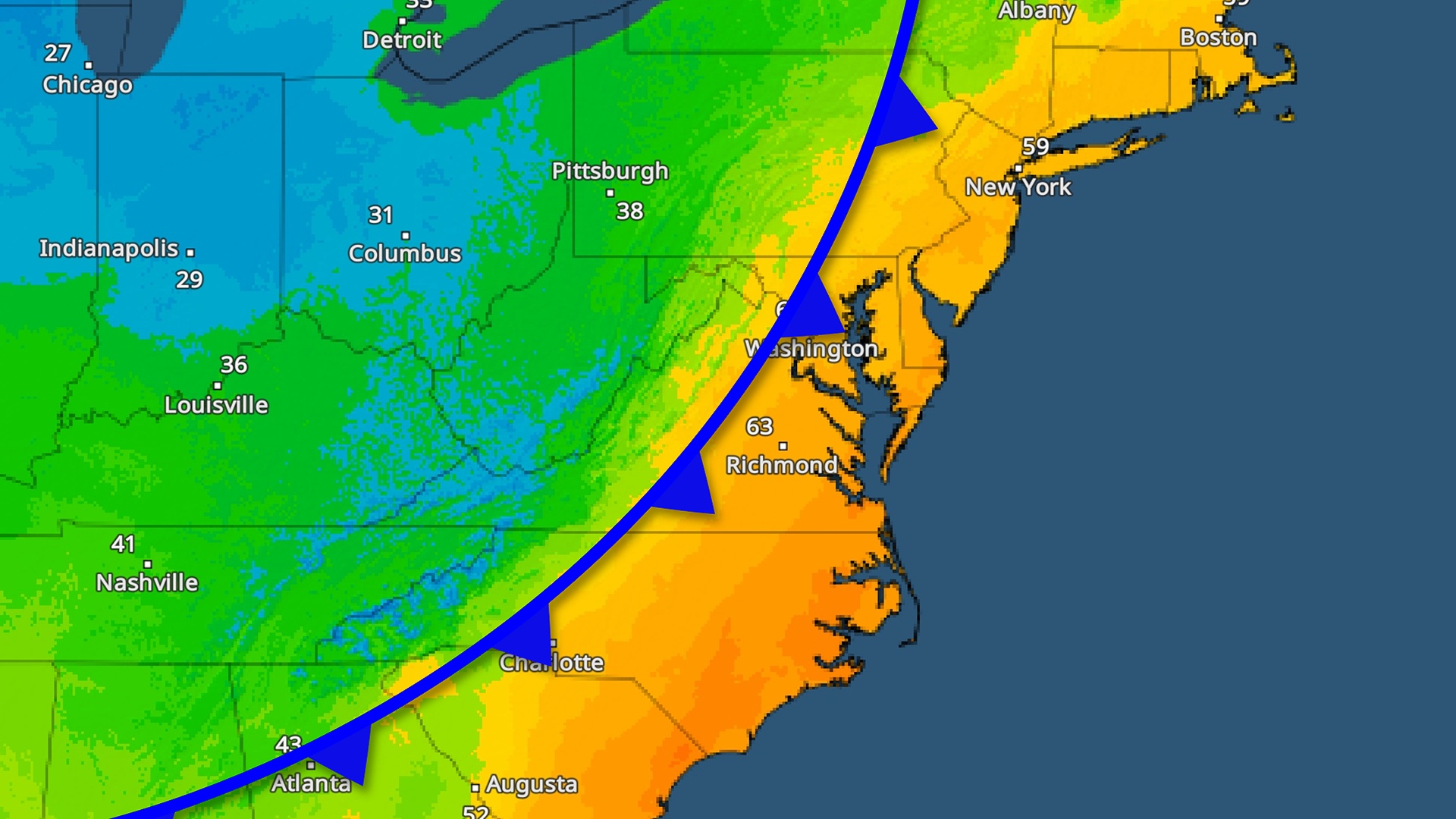
Image of a temperature radar showing a clear distinction between a warm and cold air mass separated by a cold front.
Saturday, February 28, 2026

Weather explained

What are weather fronts?
All weather news
This might also interest you
Tuesday, March 10, 2026

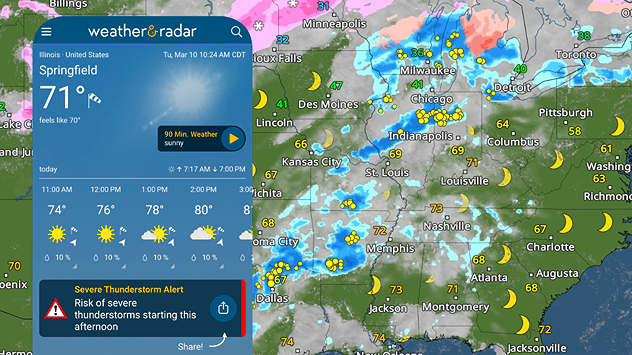
Strong tornadoes possible

Severe storms to last overnight
Sunday, March 8, 2026

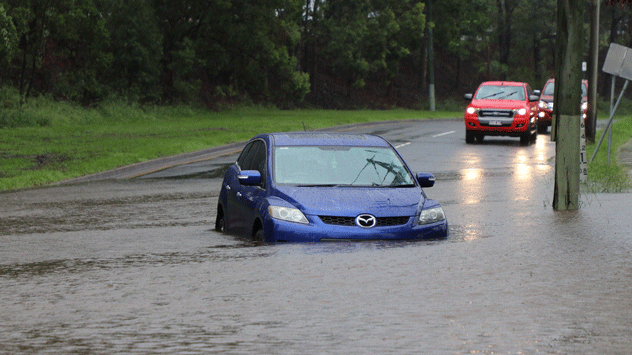
Flood safety

Useful tips when driving in the rain
Saturday, March 7, 2026

What to know

The dangers of hail
All articles
Weather & Radar

Weather & Radar is also available on

Google Play StoreApp Store

Company

Contact us Privacy policy Legal info Accessibility statement

Services

Uploader

Socials

instagramfacebookthreadslinkList