Home
Weather New York
WeatherRadar
RainRadar
TemperatureRadar
WindRadar
LightningRadar
Weather News
Editor's Pick
Discover the app
Weather widget
Contact us
Apps
Career
    Home / Weather News /

    The North American Monsoon: What is it, and why is it important?

07:00 PM
July 21, 2024

North American Monsoon
What is it, and why is it important?

North American Monsoon in the desert

A significant shift in the weather pattern is unfolding across the southwestern United States, bringing beneficial rain to the sun and heat-parched landscape but also its fair share of dangers. This meteorological transformation is commonly referred to as the North American Monsoon. Similar to its famous counterpart, the Indian Monsoon, the North American Monsoon is characterized by a seasonal upsurge in precipitation across various parts of the Western United States, including the Desert Southwest.

This annual phenomenon occurs during the summer months when prevalent westerly breezes shift to more of a south-to-southeast direction. The flow of air brings moisture up from both the Gulf of Mexico and the Gulf of California, which acts as fuel for showers and thunderstorms.

Northwestern Mexico and the southwestern U.S. receive over half of their annual precipitation during the monsoon season. This rainfall is crucial for the region's plants, animals, and people. In addition, it helps replenish water reservoirs, mitigate drought, and control wildfires during the hottest months of the year. The North American Monsoon, while providing much-needed rainfall to arid regions, also brings its share of dangers. The sudden and intense thunderstorms during the monsoon can lead to flash floods and mudslides, especially in areas with little vegetation to hold the soil.

Additionally, frequent lightning poses a risk of wildfires, which can spread rapidly through dry vegetation. The monsoon can also create hazardous driving conditions with reduced visibility due to blowing dust from thunderstorm gusts.

Overall, while the monsoon is mostly beneficial for water resources, it also presents significant challenges and potential hazards to both human settlements and natural environments in the affected regions.

Weather & Radar USA editorial team

More on the topic

The science behind rime ice. Icy beauty. . . Saturday, November 7, 2026
Saturday, November 7, 2026

Icy beauty

The science behind rime ice
10 facts about fog. Low clouds. . . Sunday, September 27, 2026
Fog impacting the Appalachian Mountains.
Sunday, September 27, 2026

Low clouds

10 facts about fog
Why forecasting snow is so tricky. When will snow fall?. . . Sunday, November 15, 2026
Small snowmen next to a weather map showing snow falling in parts of Scotland.
Sunday, November 15, 2026

When will snow fall?

Why forecasting snow is so tricky
All weather news

This might also interest you

Big West Coast storm. WeatherFeed. . . Friday, November 13, 2026
Friday, November 13, 2026

WeatherFeed

Big West Coast storm
The different winter precipitation types. Snow, sleet, graupel.... . . Saturday, November 14, 2026
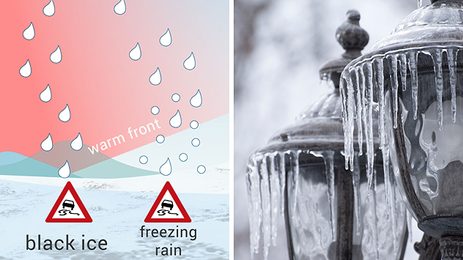
Split image of freezing rain turned to ice over street lamps and infographic describing the different precipitation types.
Saturday, November 14, 2026

Snow, sleet, graupel...

The different winter precipitation types
Eastern Florida flood threat. WeatherFeed. . . Thursday, November 19, 2026
Thursday, November 19, 2026

WeatherFeed

Eastern Florida flood threat
All articles
Weather & Radar

Weather & Radar is also available on

Google Play StoreApp Store

Company

Contact us Privacy policy Legal info Accessibility statement

Services

Uploader

Socials

instagramfacebookthreadslinkList